

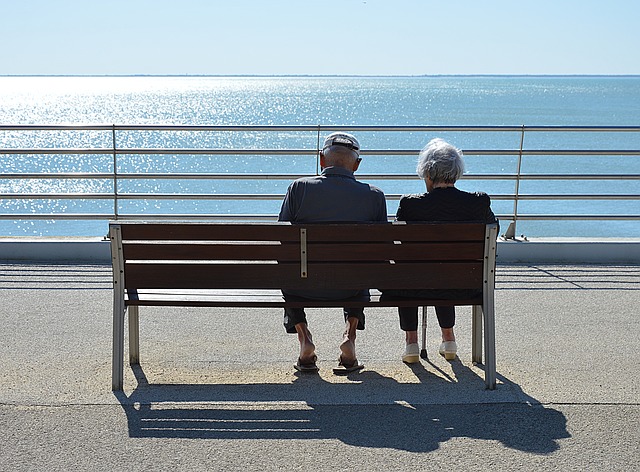
Aging involves physiological changes that affect how the human body detects, suppresses, and repairs cellular abnormalities. Among these changes is a reduced ability to “fix” DNA damage, which leads to the accumulation of genetic errors over time. This biological process explains why most cancer diagnoses occur in adults over 60 years old, especially those in less-resourced countries. Cellular aging coincides with longer cumulative exposure to carcinogens, weakened immune surveillance, and a higher prevalence of chronic inflammation, all of which raise the likelihood of malignant growth.
While no intervention can reverse aging, medical research has identified ways to reduce the risk of cancer. These measures encompass multiple areas of daily life, including nutrition, physical activity, chemical exposure, and disease monitoring. When adopted consistently, these changes support cancer risk reduction while improving other aspects of physical health.
Why Cancer Risk Increases With Age
Advancing age affects multiple cellular and systemic functions that ordinarily suppress or eliminate malignant growth. Cancer incidence increases significantly after the age of 60, not by coincidence, but as a biological consequence of several internal and external agents that amass over decades. These agents compromise the body’s ability to detect and remove defective cells, manage oxidative stress, and recover from DNA damage. Allow us to discuss each of these factors in detail below.
1. Age-Related Decline in Cellular Repair
Cells encounter mutations throughout life due to normal metabolic activity, ultraviolet radiation, carcinogenic chemicals, and other environmental exposures. In most younger individuals, DNA repair enzymes detect and correct these errors before they can cause permanent changes. With aging, this repair process becomes less efficient. The decline affects the speed and accuracy of correction, which allows mutations to accumulate in dividing cells.
Over time, some genetic changes become permanent within stem cell populations or other long-lived cells. When these changes disrupt cell cycle regulation, apoptosis, or DNA integrity checkpoints, the risk of malignancy rises. The longer a person lives, the more opportunities these errors have to persist and expand within dividing cells.
2. Immunosenescence and Reduced Tumor Surveillance
The immune system identifies and eliminates early-onset cancer cells through a process called immunosurveillance. This system utilizes several types of white blood cells, including cytotoxic T cells and natural killer (NK) cells, to detect abnormal surface markers and destroy the altered cells before they proliferate.
With aging, the immune system enters a state of gradual decline known as immunosenescence. This condition results in:
- Lower numbers of circulating naïve T cells
- Reduced cytotoxic function in NK cells
- Impaired antigen presentation
Consequently, the immune system struggles to destroy abnormal cells at the same rate. Malignant cells that the immune system once would have eradicated may now survive long enough to form tumors.
3. Chronic Inflammation and Oxidative Stress
Aging tissues exhibit higher levels of systemic inflammation, a condition often described as “inflammaging” in medical literature. This chronic low-grade inflammation arises from several sources, including accumulated cellular debris, metabolic dysregulation, and prolonged immune activation.
Inflammation produces cytokines and free radicals that can damage surrounding cells. Over time, this environment increases oxidative stress and the chances of DNA mutation. Inflammatory mediators can also stimulate angiogenesis and cellular proliferation, which favor tumor growth once a mutation has occurred. Related article: The Ties Between Inflammation and Cancer, Explained Simply
4. Hormonal and Metabolic Changes
Aging alters hormone levels that regulate tissue growth and repair. For example, lower estrogen levels in postmenopausal women contribute to breast tissue changes that can predispose to malignancy. Similarly, changes in insulin sensitivity and lipid metabolism heighten the risk of certain cancers, including colorectal and pancreatic cancer. These changes construct environments that allow abnormal cells to thrive more easily than they would in younger individuals.
5. Cumulative Exposure to Carcinogens
Most human bodies experience inevitable, prolonged exposure to carcinogens, including:
- Tobacco smoke
- Ultraviolet radiation
- Industrial chemicals
- Dietary carcinogens such as processed meat and alcohol
The collective effect of these exposures multiplies with age. A person who smoked for twenty years, handled pesticides, consumed alcohol regularly, or lived in a polluted environment will have a greater cumulative burden of carcinogen-induced mutations by age 60 or older.
How to Reduce Cancer Risks Among Older Adults or Seniors
Cancer prevention in older adults requires continuous management of modifiable risk factors. The following prevention strategies have clinical support from epidemiological data and decades of oncologic research.
1. Eliminate Tobacco Use and Exposure to Smoke
Cigarette smoke has at least 70 carcinogens, including polycyclic aromatic hydrocarbons and nitrosamines. These substances induce DNA adduct formation and inhibit cellular repair pathways.
Tobacco use is the number one cause of lung cancer in the United States. It also increases the risk for cancers of the oral cavity, pharynx, esophagus, pancreas, kidney, bladder, and cervix. Even limited exposure, including to secondhand smoke, raises long-term risk. Quitting tobacco at any age decreases cancer risk progressively.
Physicians recommend complete cessation, as partial reduction of smoking does not eliminate exposure to carcinogenic byproducts. Pharmacologic aids such as nicotine replacement therapy, medications like varenicline, behavioral therapy, and structured support programs may assist with quitting.
2. Reduce Ultraviolet Radiation Exposure
Skin cancer affects older adults at higher rates due to longer-term sun exposure and age-related DNA repair decline. Basal cell carcinoma, squamous cell carcinoma, and melanoma originate primarily from ultraviolet (UV) radiation exposure.
UV radiation damages DNA by forming thymine dimers, resulting in mutations in tumor suppressor genes such as p53. Repeated exposure without proper sun protection increases the risk of permanent damage to epidermal cells.
Preventive measures include:
- Daily use of broad-spectrum sunscreen (SPF 30 or higher)
- Wearing protective clothing outdoors, including wide-brimmed hats and long sleeves
- Staying indoors, seeking shade, or limiting sun exposure between 10 AM and 4 PM
- Regular skin examinations to monitor evolving lesions
Early detection improves treatment outcomes and overall prognosis. Any change in mole color, diameter, border, or symmetry warrants immediate evaluation by a dermatologist. Related: When to Worry About a Mole
3. Make Better Dietary Choices
Plant-based foods reduce oxidative stress and inflammation, which, as mentioned earlier, can turn normal cells into cancerous cells (tumorigenesis).
Flavonoids, carotenoids, and fiber in fruits and vegetables lower the risk of gastrointestinal, respiratory, and reproductive cancers. Cruciferous vegetables (e.g., Brussels sprouts, cabbage, broccoli) contain glucosinolates, which break down into biologically active compounds with anticancer properties.
Recommended dietary adjustments:
- Eat more colorful fruits and veggies, particularly those rich in vitamin C, beta-carotene, and polyphenols
- Choose whole grains over refined carbohydrates
- Avoid processed meats and limit saturated fat from animal sources
- Swap butter or lard with olive oil or canola oil
Older adults should also maintain adequate hydration and sufficient caloric intake to avoid malnutrition, which impairs immune function.
4. Limit Alcohol Intake (Or Quit Entirely)
Ethanol is metabolized into acetaldehyde, a classified Group 1 carcinogen. Acetaldehyde causes DNA damage and interferes with cellular repair.
Regular, irresponsible alcohol intake boosts the risk of several malignancies, including those of the liver, esophagus, breast, and colon. Older adults also metabolize alcohol slower, increasing exposure duration per unit consumed.
Clinical guidance recommends:
- No more than one standard drink per day for women
- No more than two standard drinks per day for men
- Avoiding binge drinking, including overconsumption on special occasions or holidays
Patients with a history of alcohol misuse or liver disease should abstain fully.
5. Reduce Red and Processed Meat Consumption
Researchers have long associated dietary patterns high in red meat and processed foods with increased incidence of colorectal, pancreatic, and prostate cancer. Mechanisms include the formation of heterocyclic amines and polycyclic aromatic hydrocarbons during high-temperature cooking, as well as nitrosamine exposure from processed meats. Animal fat may also cause inflammation and insulin resistance, increasing overall cancer susceptibility.
Recommendations from nutritionists and oncologists:
- Substitute red meat with fish, legumes, or poultry
- Use steaming or baking methods instead of grilling or frying
- Avoid bacon, sausage, ham, and other processed meats
- Monitor portion sizes and frequency of meat consumption
Gradual reduction helps sustain the habit over time, particularly in older adults with established dietary patterns.
6. Be Physically Active (Avoid Being a Couch Potato)
Sedentary behavior correlates with a higher incidence of breast, colon, and endometrial cancer, to name a few, as a lack of movement or exercise promotes weight gain, insulin resistance, and hormonal dysregulation. Contrariwise, physical activity reduces systemic inflammation, boosts immune function, and enhances gastrointestinal motility, which shortens the contact time between potential carcinogens and the intestinal lining.
Recommendations from the American Cancer Society (ACS) include:
- At least 150 minutes of moderate-intensity exercise per week
- Muscle-strengthening activities on two or more days per week
- Incorporating movement throughout the day to minimize sitting duration
Suitable activities for older adults include brisk walking, chair exercises, yoga, swimming, and tai chi. Medical clearance is advisable before initiating any new regimen, particularly for patients with cardiovascular or orthopedic conditions.
Read True or False: Active Living Prevents Cancer for more information.
7. Know Your Personal and Family Medical History
Cancer risk varies across individuals. While age increases baseline risk, personal and family history, genetic background, and existing medical conditions can raise susceptibility to specific cancer types. A thorough risk assessment allows physicians to recommend targeted screenings, lifestyle modifications, and, when needed, specialist referrals.
Family and Genetic History
Several cancers have a hereditary component. These include, but are not limited to, breast, ovarian, prostate, pancreatic, and colorectal cancers. Inherited mutations in genes such as MLH1/2, APC, and BRCA1/2 disrupt DNA repair or cell cycle control, which elevates cancer risk in carriers.
Patients with any of the following should discuss genetic risk with their physician:
- First-degree relatives (parents, siblings, or children) with cancer diagnosed before age 50
- Multiple relatives diagnosed with the same type of cancer
- Family history of rare or aggressive cancers
- Known hereditary syndromes in the family (e.g., Lynch syndrome, Li-Fraumeni syndrome)
Genetic counseling helps determine whether further tests are necessary. When testing confirms a pathogenic mutation, surveillance plans may include earlier or more frequent screening, chemoprevention, or surgical options in select cases. The goal is to identify the disease at its earliest stage or prevent its development altogether.
Personal Medical History
Certain preexisting conditions raise vulnerability due to chronic inflammation, hormonal imbalance, or cellular injury. Examples include:
- Inflammatory bowel disease (Crohn’s disease, ulcerative colitis) elevates the risk of colorectal cancer through persistent inflammation in the gastrointestinal lining.
- Chronic hepatitis B or C infections account for an estimated 75% of all hepatocellular carcinoma cases due to long-term liver injury.
- Human papillomavirus (HPV) may stimulate cervical, oropharyngeal, and anal cancer development.
- Diabetes and obesity interfere with insulin signaling and increase systemic inflammation, raising the risk for endometrial, liver, kidney, and pancreatic cancers.
Patients must manage these conditions through regular follow-up, prescription medication, and, when applicable, vaccination. For example, HPV and hepatitis B vaccinations reduce the risk of developing:
- Vulvar cancer
- Vaginal cancer
- Penile cancer
- Anal cancer
- Oropharyngeal cancer
- Hepatocellular carcinoma
History of Radiation or Carcinogen Exposure
Previous therapeutic radiation or occupational contact with carcinogens raises the extent of DNA damage. To be specific, individuals who received radiation therapy for childhood cancers, worked in mining or chemical manufacturing, or experienced prolonged exposure to substances such as benzene, asbestos, vinyl chloride, or arsenic have elevated risk due to cumulative DNA damage.
Clinicians assess risk based on:
- Duration and intensity of exposure
- Age at the time of exposure
- Type of carcinogen and affected tissues
Patients with known or suspected past exposure should inform their primary care physician. Risk-adapted screening or imaging protocols may be necessary to monitor for delayed-onset malignancies.
8. Beware of Environmental Risk Factors
Long-term exposure to environmental carcinogens increases the likelihood of DNA mutations. These exposures may occur through occupational settings, residential environments, or contaminated consumer products. Aging amplifies the risk, as older adults have had more time to encounter harmful substances and may experience diminished physiological resilience to their effects.
Occupational and Industrial Exposure
Some jobs require regular contact with carcinogenic substances. However, inhalation, skin absorption, and direct handling of industrial compounds introduce genotoxic agents into the body. Workers in mining, chemical manufacturing, textile processing, and construction are the most at risk of encountering the following carcinogens:
- Asbestos: Associated with mesothelioma, lung cancer, and gastrointestinal cancers.
- Benzene: Linked to leukemia and other hematologic malignancies.
- Vinyl chloride: Causes hepatic angiosarcoma.
- Arsenic: Increases the risk for lung, bladder, and skin cancers.
- Nickel compounds and cadmium: Associated with lung and kidney cancers.
- Silica dust: Linked to lung cancer and chronic respiratory disease.
Workers exposed to these substances decades earlier may develop symptoms later in life, even after retirement. Excessive exposure from multiple occupational sources raises risk further. Those with such histories should report them during annual checkups, as early documentation improves screening strategies.
Residential and Environmental Sources
Carcinogen exposure also happens in residential environments. Examples include:
- Radon gas: This naturally occurring radioactive gas accumulates in poorly ventilated buildings and is linked to lung cancer, particularly in nonsmokers.
- Pesticides: Long-term exposure through home use, agriculture, or water supply contamination may raise the risk of lymphoma and leukemia.
- Air pollution: Diesel exhaust, particulate matter, and airborne toxins increase the risk of lung and bladder cancers.
- Contaminated drinking water: Substances like arsenic, nitrates, and trihalomethanes can lead to cancer of the bladder, colon, or rectum.
Older homes, especially those constructed before safety regulations became standardized, may also contain asbestos insulation, lead-based paint, or pipes that leach heavy metals. Residents should consider professional inspection if they suspect contamination.
Consumer Product Exposure
Some personal care items, cleaning products, and plastics contain endocrine-disrupting compounds or potential carcinogens. Prolonged exposure through skin contact, inhalation, or ingestion may heighten cancer risk.
Substances of concern include:
- Phthalates and parabens in cosmetics and hygiene products.
- Formaldehyde in adhesives, pressed wood, and some textiles.
- Perfluoroalkyl substances (PFAS) in non-stick cookware, stain-resistant fabrics, and food packaging.
- Polycyclic aromatic hydrocarbons (PAHs) generated during grilling and smoking of food, as well as in soot and tar.
Patients concerned about product safety can consult databases by the United States Food and Drug Administration (FDA), the Environmental Protection Agency (EPA), and the National Cancer Institute (NCI). Physicians can also recommend ways to reduce unnecessary chemical exposure in daily routines.
9. Use Screening as a Preventive and Diagnostic Tool
Screening detects early-stage malignancies and, in many cases, identifies precancerous changes that oncologists can address before the disease develops. Older adults should discuss age-appropriate screening tests with their physicians, particularly those for colorectal, breast, cervical, prostate, and lung cancer. Screening decisions should consider the patient’s overall health, medical history, and ability to undergo treatment if cancer is present.
Furthermore, while some seniors may benefit from continued screening into their seventies or eighties, others may not. Screening without therapeutic intent may introduce unnecessary risks, including procedural complications and psychological distress. Clinicians assess the appropriateness of each test based on life expectancy, general health, and risk level. Any decision to begin or discontinue screening should occur during a clinical consultation supported by objective criteria, not by age alone.
Final Thoughts on What Older Adults Can Do to Lower Cancer Risk
While cancer risk increases with age, risk reduction is possible through tobacco cessation, sun protection, dietary changes, alcohol intake limitation, physical activity, screening, and avoidance of harmful exposures. Each measure addresses a mechanism that cancer exploits, including DNA instability, chronic inflammation, and immune decline. Patients should review their health history with a physician and ask whether any additional risk factors need attention. And keep in mind that preventive care does not guarantee a cancer-free life, but it improves the chances of earlier detection, which supports better treatment outcomes.
About New Hope Unlimited
A cancer diagnosis requires timely, individualized care. New Hope Unlimited approaches cancer treatment with protocols designed to halt disease progression, strengthen the body’s capacity for recovery, and improve overall quality of life. Each plan is unique per patient, addressing their condition through medically guided, non-toxic precision oncology therapies. Arrange a diagnosis review with our clinical team today.