

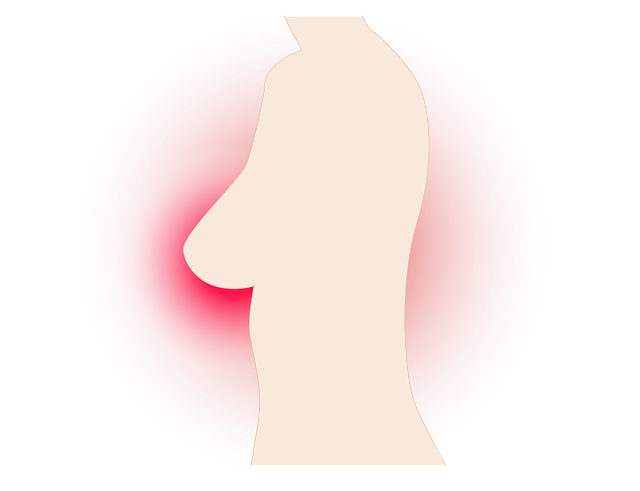
Many breast cancer patients live full, healthy lives after successful treatment, but the possibility of the cancer returning is a lingering concern. If you are a breast cancer survivor, you know the importance of monitoring your health. While regular follow-up medical appointments and testing are critical, you must also remain vigilant for signs of recurrent breast cancer in-between visits. By staying informed and aware of your body, you have the power to take control of your health and receive the care you need right away.
Not Everyone Experiences Breast Cancer Recurrence
Recurrence describes cancer coming back after treatment. According to the American Cancer Society Journals, a survivor’s risk for breast cancer recurrence can remain for 10 to 32 years. In particular, researchers concluded that 16.6 percent of 20,315 survivors of early-stage breast cancer who have been disease-free during the first decade experienced recurrence between 10 and 32 years after their initial diagnosis.
Cancer can occur in the same breast where the primary tumor developed. It can also spread to another part of the body. About 40 percent of people diagnosed with early-stage triple-negative breast cancer are likely to relapse, and up to 50 percent of individuals with inflammatory breast cancer may experience recurrence.
The good news is that cancer does not come back for most survivors. Regular doctor’s appointments, mammogram screenings, breast self-exams, and understanding the signs of recurrence can help detect breast cancer at its most manageable stage.
Warning Signs of Breast Cancer Recurrence
Cancer that started in the breast can spread to the bones, lungs, liver, and brain. Oncologists call this secondary or metastatic breast cancer. Its symptoms include:
- Recurrent bone pain
- Persistent dry coughing and difficulty breathing
- Pain in the upper right abdomen and below the rib cage, which may signal liver problems
- Severe headaches that do not go away, even with pain medication
- Falling due to balance problems, often more than once in a brief period of time
- Nausea, no appetite, and unwanted weight loss
Breast cancer can also recur in nearby lymph nodes. Oncologists refer to this as regional breast cancer. Its signs and symptoms include:
- Chronic chest pains
- Difficulty swallowing
- Swollen lymph nodes around your collarbone or armpit area
- Pain, swelling, or numbness in your right shoulder, which may indicate an issue with your liver
As a breast cancer survivor, you might recognize the signs of local recurrence, meaning cancer reappeared in the same area as your original cancer. The symptoms are:
- A lump in your breast or under your chest
- Abnormally firm breast tissue
- Inflammation or redness of the skin in or around the breast
- Nipple changes, including any discharge
- Thickening on or near your mastectomy scar
- Swelling or pulling of skin near the lumpectomy site
Causes of Breast Cancer Recurrence
Recurrence happens when treatment fails to kill all cancer cells in your breast. Chemotherapy, radiation therapy, and other treatment options can diminish tumors below detectable levels, but any remaining weakened cancer cells can regain strength over time, multiplying and developing into new tumors.
Furthermore, surgically removing tumors carries a risk of incomplete resection. Before surgery, malignant cells may spread from the breast to surrounding lymph nodes, tissues, or into the bloodstream, escaping eradication.
As for the risk factors, it depends on age, initial cancer stage, and cancer type. Younger patients (under 35 during initial diagnosis) and those with stage III cancer have a higher risk of recurrence. Aggressive types like inflammatory and triple-negative breast cancer are also more likely to return.
What to Do If You Suspect Your Breast Cancer Is Back
If you think your breast cancer has returned, speak to your oncologist as soon as possible about the following:
- Discuss undergoing imaging tests like a mammogram, ultrasound, and MRI scan. These diagnostic exams can detect if cancer cells came back or have spread to other parts of your body. Your doctor may also check for cancer markers via blood tests. Read our Ultimate Guide to Getting Screened for Breast Cancer for everything you need to know and more.
- Review your primary diagnosis and treatment plan. Provide your oncologist details about the type, location, size, stage, and prognosis of your original diagnosis, including the treatments you received, whether conventional care, complementary and alternative medicine (CAM), or a combination of both. This information will help determine the best course of action if cancer has recurred.
- Ask about treatment options if screening confirms your breast cancer has returned. At New Hope Unlimited, your treatment may include immunotherapy for breast cancer, which involves using your body’s immune system to target and eradicate malignant cells.
- Seek support from loved ones or a support group. Opening up to people you trust can help you feel less alone and anxious. The same friends and family who were there for you will likely offer ongoing comfort, encouragement, and practical assistance during this difficult time. You can also join a support group to connect with others facing similar challenges.
- Stay positive. Never underestimate the power of optimism! Research shows that being positive strengthens the immune system, which can help you beat breast cancer the second time around. Try to maintain an optimistic outlook as you work with your medical team to develop an effective treatment plan.
Getting treated for recurrent breast cancer at New Hope Medical Center gives you direct access to advanced cancer care, including a team of healthcare professionals who will personalize your treatment plan. Write to us or dial 480-666-1403 to schedule a consultation.
A Word of Advice: If Cancer Did NOT Return
Living in fear of recurrence is no way to live, and living in denial is equally dangerous. Finding the balance of cautious awareness and making the most of each day is ideal.
Stay up to date with follow-up screenings and medical care. Implement a recurrence-preventive lifestyle and pay attention to all changes in your body, ensuring you discuss them promptly with your doctor. Together, you can catch breast cancer early if it dares to return. Knowledge, proactivity, and collaboration can pave the way for many more years of healthy living after a breast cancer diagnosis. You have fought tooth and nail to reach where you are today, so continue the battle by watching for warning signs and winning the war with breast cancer.