

The lymphatic system is a critical component of the immune system of your body. Your lymph nodes, bone marrow, spleen, and thymus are all included. Lymphoma develops when cancerous cells grow in the lymphatic system. There are two primary types:
Hodgkin’s lymphoma – Hodgkin’s lymphoma patients have large cancer cells known as Reed-Sternberg (RS) cells.
Non-Hodgkin’s Lymphoma – RS cells are absent in non-lymphoma. Hodgkin’s This is the most prevalent kind.
There are around 70 subtypes within these two groups. They fluctuate in growth rate from sluggish to aggressive and rapid. The majority of instances of lymphoma are deemed curable. However, it remains a dangerous illness that needs medical treatment.
Additionally, your overall prognosis is contingent upon early detection. You must get medical treatment as soon as possible. Consult a physician immediately if you have lymphoma symptoms. They can perform diagnostic tests such as blood panels and biopsies.
Lymphoma Diagnosis
Multiple techniques will be used to diagnose lymphoma by a physician. Your symptoms and general health will determine the specific tests. This may involve the following:
Physical examination
When you initially meet the doctor, they will do a physical examination. This enables them to examine your symptoms and establish a baseline for diagnosis.
During a physical examination, a physician will:
- In the neck, groin, and underarms, check for enlarged lymph nodes.
- Examine the spleen and liver for swelling and enquire about your medical history.
- Examination of any additional physical signs
Following the physical examination, the doctor will almost certainly request a blood test. This tests your blood for particular indicators that may suggest lymphoma. Additionally, it assists your physician in ruling out other probable reasons for your symptoms.
Complete blood count (CBC)
A complete blood count (CBC) is a routine blood test that your doctor may recommend to:
- Diagnosis of some blood malignancies, such as leukemia and lymphoma
- Ascertain if the malignancy has progressed to the bone marrow
- Observe how a patient’s body responds to cancer therapy
- Other noncancerous diseases are diagnosed
A complete blood count (CBC) determines the presence of three distinct kinds of cells in your blood:
Count of white blood cells – A white blood cell count, sometimes referred to as a leukocyte count, determines the total number of white blood cells in a blood sample. These cells defend the body against infection by fighting invaders such as bacteria, viruses, and other foreign substances. Certain white blood cells are also capable of attacking cancer cells.
Differentiation of white blood cells – A differential count of white blood cells quantifies the amount of each kind of white blood cell. There are five primary kinds of white blood cells, and each type is responsible for a distinct function in the body’s defenses. By monitoring the numbers of these cells, your doctor can glean vital information about your health:
- Neutrophils
- Lymphocytes
- Monocytes
- Eosinophils
- Basophils
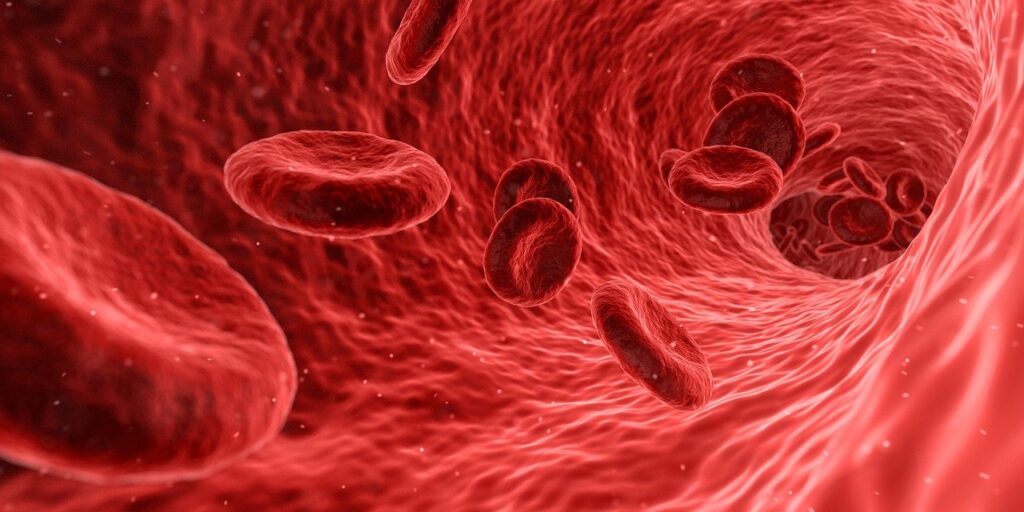
Count of red blood cells – Your body’s red blood cells transport oxygen throughout. A red blood cell count sometimes referred to as an erythrocyte count, is used to determine the number of red blood cells in a blood sample. There are various methods for determining the number of red blood cells. Two of the most prevalent are as follows:
- Hematocrit (Hct), the proportion of red blood cells in your blood
- Hemoglobin (Hgb), the quantity of oxygen-carrying protein in red blood cells
Count of platelets – A platelet count is used to determine the number of platelets in a blood sample. Platelets contribute to the cessation of bleeding by creating blood clots.
Each of these cell types has a typical range of numbers. Your health care provider will record this range on your complete blood count (CBC) lab findings. A range is utilized rather than a single number since a normal quantity varies according to individual.
What do the findings imply?
Your health care team must carefully review the findings of CBC tests. Bear in mind that a variety of causes, including noncancerous diseases, might result in abnormal findings. Consult your physician for assistance in deciphering the significance of your test findings.
- Deficiency of white blood cells – Certain cancer therapies, most notably chemotherapy, may cause a decrease in your body’s white blood cell count. Cancers of the blood and bone marrow can also cause a decrease in the count. Leukemia, lymphoma, and multiple myeloma are examples of these malignancies.
- Amounts of several types of white blood cells – Increased lymphocytes or monocytes can suggest the presence of some kinds of cancer.
Some malignancies and their therapies may cause neutropenia. Neutropenia is a condition in which a person’s neutrophil count is abnormally low. This significantly raises the risk of contracting a bacterial illness. Occasionally, your doctor will reduce your chemotherapy dose to reduce your risk of developing neutropenia. Additionally, your doctor may prescribe medicine, such as white blood cell growth factors to boost your body’s neutrophil production, particularly if you have a fever.
- Decreased red blood cell count – Certain cancer therapies, most notably chemotherapy and radiation therapy, may cause a decrease in the number of red blood cells. This is referred to as anemia. Anemia can also be caused or worsened by blood loss caused by surgery or certain malignancies and cancers that directly affect the bone marrow. Individuals with an abnormally low red blood cell count may require a blood transfusion or medicine to help raise it.
- Platelet count is low – Certain cancer therapies, such as chemotherapy or radiation therapy, may result in platelet deficiency. Cancers that affect the bone marrow directly can also cause a decrease in platelet count. Thrombocytopenia is a term that refers to an abnormally low platelet count. Individuals with low platelet counts are at an increased risk of experiencing severe bleeding or bruising. Your doctor may prescribe platelet transfusions if your platelet count drops to dangerously low levels.
If you are receiving cancer treatment for leukemia and lymphoma, your doctor will likely watch your blood cell counts often using a CBC.
Further tests for Lymphoma
Liver Function Test
Additionally, your doctor may want to evaluate the function of your liver and kidneys. A liver function test for albumin concentration may aid in the diagnosis of advanced lymphoma. Albumin levels, a protein generated by the liver, may drop as a result of the disease.
Lactic dehydrogenase (LDH)
LDH, an enzyme typically found in most of your tissues, may be included in your blood panel. Certain types of lymphoma cause an increase in LDH production. However, because elevated levels might develop due to other illnesses, another testing will be required to diagnose.
C-reactive protein (CRP)
The body produces C-reactive protein during the inflammatory reaction. Increased levels in the blood may indicate the presence of cancer, particularly lymphoma, but other sources of inflammation might also cause them.
Biopsy of lymph nodes
The gold standard for diagnosing lymphoma is a lymph node biopsy. Often, it is the only test capable of establishing an official diagnosis. A professional obtains a sample of a lymph node during the operation. A microscope is used to analyze the sample for indications of lymphoma.